I recently watched a clip from a 1990 documentary that gave me a new perspective on the Baby Boom generation. I must admit I’ve never really understood that generation. I’m kind of a hybrid of Gen X and Millennial, being raised by Baby Boomer parents and having lots of Gen X siblings, though I’m from the early Millennial period. And I find myself relating most to the Silent Generation.
The video I watched tells Baby Boomers’ story from their own perspective. The filmmaker is of that generation, and he interviews many of his fellow Baby Boomers about their experiences growing up in the 1950s and 1960s. They have some fascinating things to say. As I listened to their words, I had compassion for them and better understood why they made certain decisions that led to the world today.
Defeated by Victory
Let’s put ourselves in the early Baby Boomers’ shoes for a moment. From birth, they were taught two things: the good guys had won, and there was no need to question their authority. The Greatest Generation and the Silent Generation had stepped up to defeat the Axis powers in World War II. It was a total victory. Even proud Japan had to humble itself and make an unconditional surrender to the United States.
It seemed to be as miraculous a victory as the War of Independence under George Washington, which established our nation in the first place, or the Civil War under Abraham Lincoln. In fact, the main general of all three of those wars was later elected president of the United States.
I don’t know a lot about how the generations after those two previous great wars developed, but I do know that they were able to accomplish amazing things, building a strong country from the rubble.
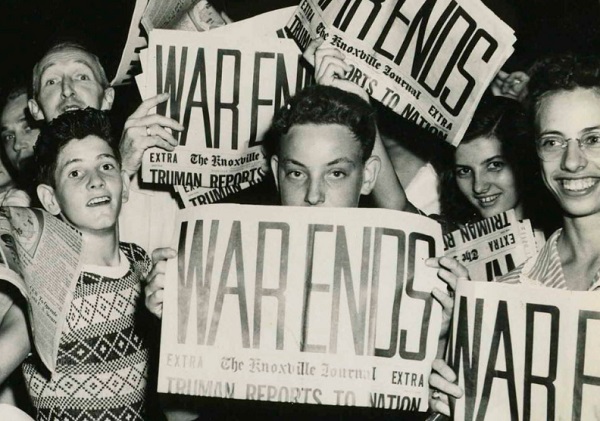 The Baby Boom generation was different, though. Their United States was virtually untouched by World War II. Sure, Pearl Harbor had been decimated, but it wouldn’t technically be the 50th state until 1959. No fighting had taken place on the continental United States. So the negative effects of the war were not felt as deeply as they had been by earlier generations. I think this lack of a personal price paid led to at least some of the results we’ve seen.
Breaking the Mold
Imagine being told that the good guys are in charge, and they’ve found the right way to live. There’s no other way to be than exactly what they tell you to be. Even if they’re right, it would still be incredibly stifling. The two generations that came before the Baby Boomers wanted to give their children everything they had lacked in the Great Depression. Their miraculous victory over economic and physical perils seemed to grant them moral authority to put their foot down and force compliance from their children.
 But children often rebel when told exactly what to do and think. Baby Boomers grew up hearing that happiness was found in conformity to social norms. However, their parents weren’t perfect at keeping their own standards, so the children thought they were hypocrites for demanding perfection from them.
They realized that they weren’t happy trying to conform. So, many decided to do the opposite of what they were told. Drugs are bad and we should stay away from them? We’ll try them all, thank you very much. Sex outside of marriage is a sin? We’ll try free love and see what this so-called sin feels like for ourselves. Many pillars of society fell as a result of this way of thinking.
Blind Obedience or Bold Individuality
I can understand why Baby Boomers made these choices. I feel sorry for them, growing up being told what to do, but not understanding why. If they’re miserable trying to keep up a façade, why not be their authentic selves and stop living a lie? Surely, if happiness isn’t found in blind obedience, then it must be found in bold individuality. Indulging in all the forbidden pleasures of life seemed to be a cheat code that the older generations were hiding from the youth.
Sadly, the Baby Boom generation is a test case in what happens when we lose that moral fortitude that protects us from the consequences of wickedness. As a wise man once said, wickedness never was happiness.
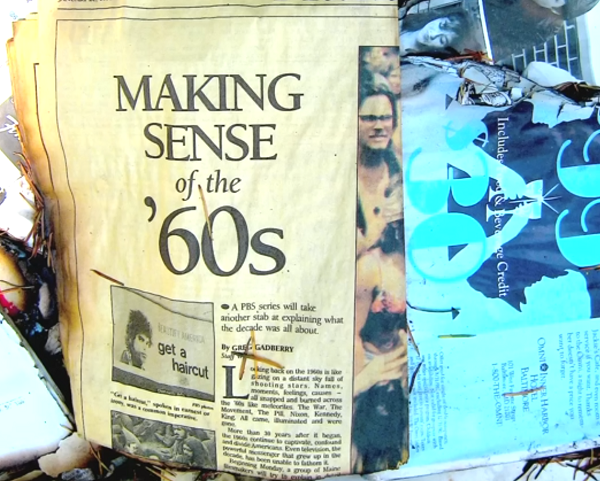 Baby Boomers were catered to by politicians seeking their votes, advertisers seeking their dollars, and others who all wanted something from them. This led them to think they were special and that that would always be the case. As they’re nearing the end of their lives and they feel their own mortality weighing on them, it must be hard to look back and ponder on where things went wrong.
What other choice could they have made? Should they have become good little robots, doing what they were being programmed to do? Or was it better for them to break free and express themselves in the way they did? What an impossible choice. I feel truly sorry for them.
There’s a reason why I grew up watching Mystery Science Theater 3000 shorts that mock the very things portrayed in that Baby Boomers documentary, such as A Date with Your Family, which teaches young people how to behave toward their parents. Pleasantville is another example of how Baby Boomers responded to their oppressively nice and neat childhoods. Those old ways of living seem laughable to the generation that grew up in them.
The Prodigal Son
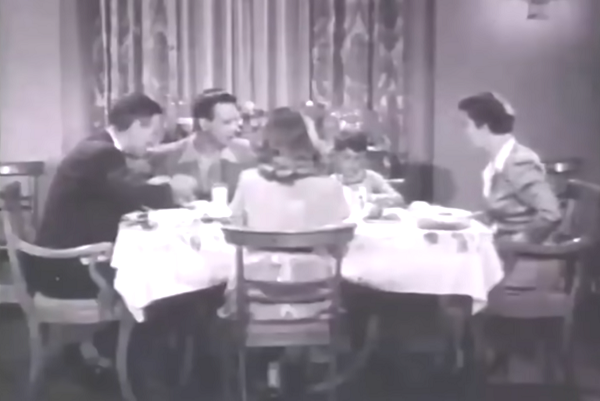 I was raised by goodly parents who taught me the right way to live, and I’ve worked hard to pursue the path they set me on. I never felt stifled in my individuality, but I felt guided to overcome my baser instincts and confirm my soul in self-control, as “America the Beautiful” puts it. And I’m raising my own children to hopefully follow in those same footsteps.
I’m sorry that many Baby Boomers felt the opposite of how I feel, and they desired to step outside of the safety they were offered in order to seek danger and excitement. Those have their appeal.
Hopefully the Prodigal Son will return home one day. Sadly, the inheritance is all spent on riotous living, the land is sold off to pay for it, and the obedient son who stayed home is bitter about the whole situation. Yet the Prodigal will be welcomed home all the same. Especially when we understand where he’s coming from.
This is the Deja Reviewer bidding you farewell until we meet again.
All images are the copyright of their respective owners.


 Deja Reviewer
Pingback: Big Is a Bridge Between Tom Hanks’ Early and Later Film Career | Deja Reviewer