As a writer, I love reading other authors’ work, especially when they’re trying to sell me on something like a movie. When you buy a physical copy of a film, do you ever read the back cover? It’s fun to do that and ask yourself a few questions. What do the authors emphasize and leave out? How do they grab my attention and get their message across in the most effective way possible?
When physical space is limited, writers have to get creative to pack in everything they’re trying to say. For example, what should they put on the back cover of a VHS tape, DVD, or Blu-Ray to explain the movie being sold? There are all kinds of factors that go into this kind of decision. Let’s look at the art of film back covers and see what makes them memorable and interesting.
Original or Re-release
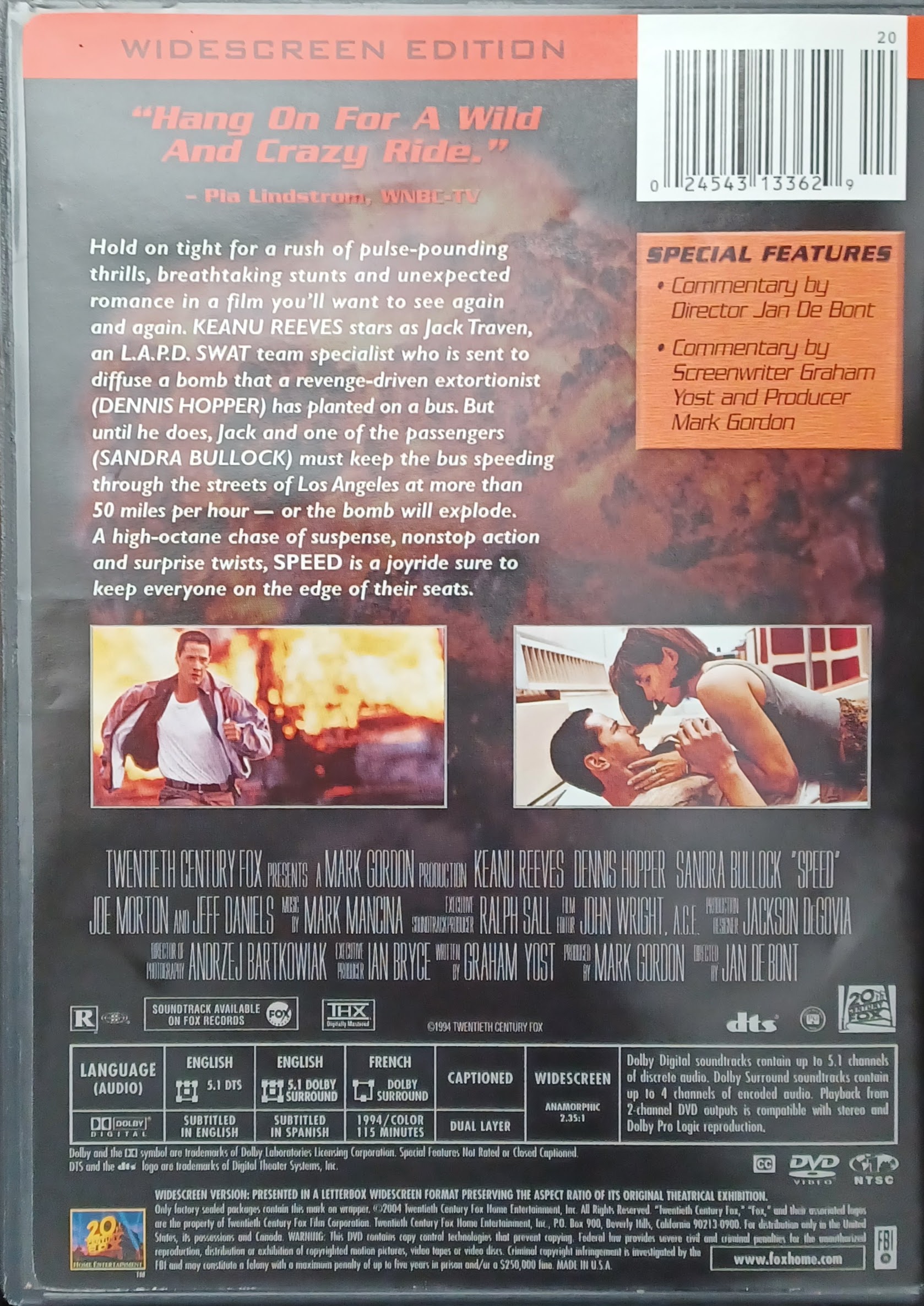 A lot of the content on the back of a film case depends on when it was published. I have a DVD of Speed that isn’t interested in talking about its place in action movie history, the Oscar won by Sandra Bullock, or the other films directed by Jan de Bont. It simply describes the plot of the film and promises all kinds of thrills and excitement. That laser focus could be the product of its timing. It was published in 2004 (though it seems to be copied and pasted from the film’s original release 10 years earlier), and Sandra Bullock didn’t win anything for her acting until 2009. However, Dennis Hopper was already a two-time Oscar nominee before this film was made. Basically, it’s not trying to say this is an Oscar-worthy film, but it is a fun rollercoaster ride.
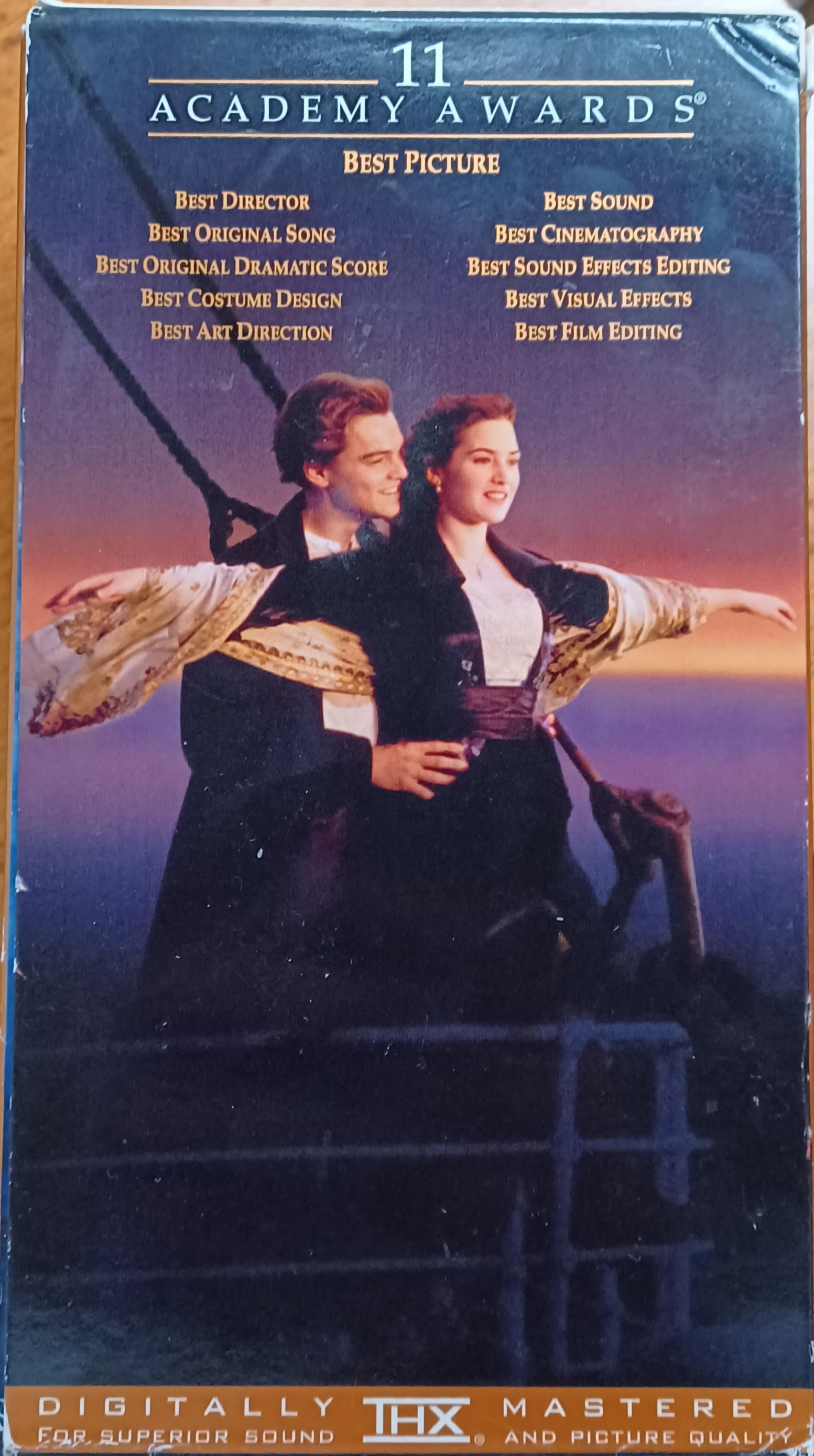 The VHS copy I have of Titanic emphasizes the 11 Academy Awards that film had recently won in early 1998, as well as the rising star of young Leonardo DiCaprio and writer/director James Cameron’s cadre of action films before they were overshadowed by the Avatar series.
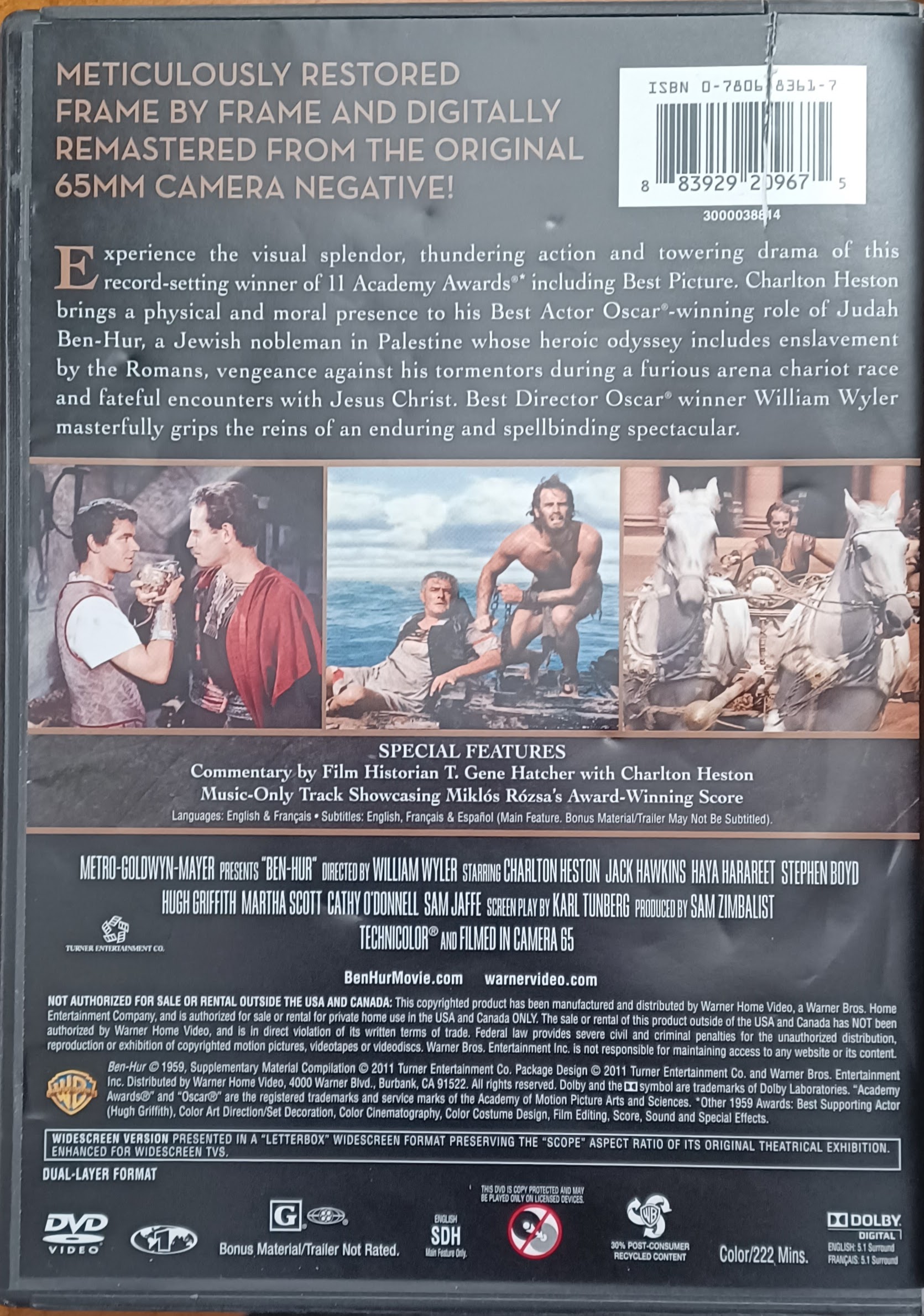 For a film like Ben-Hur, its status as a longtime classic is emphasized on a DVD I own, in addition to its Academy Awards. The film debuted in 1959, so the DVD obviously came much later, giving writers a lot of room to explore the film’s place in history. There’s even a Did You Know section that has fun trivia about all the extras in the film’s climactic chariot race.
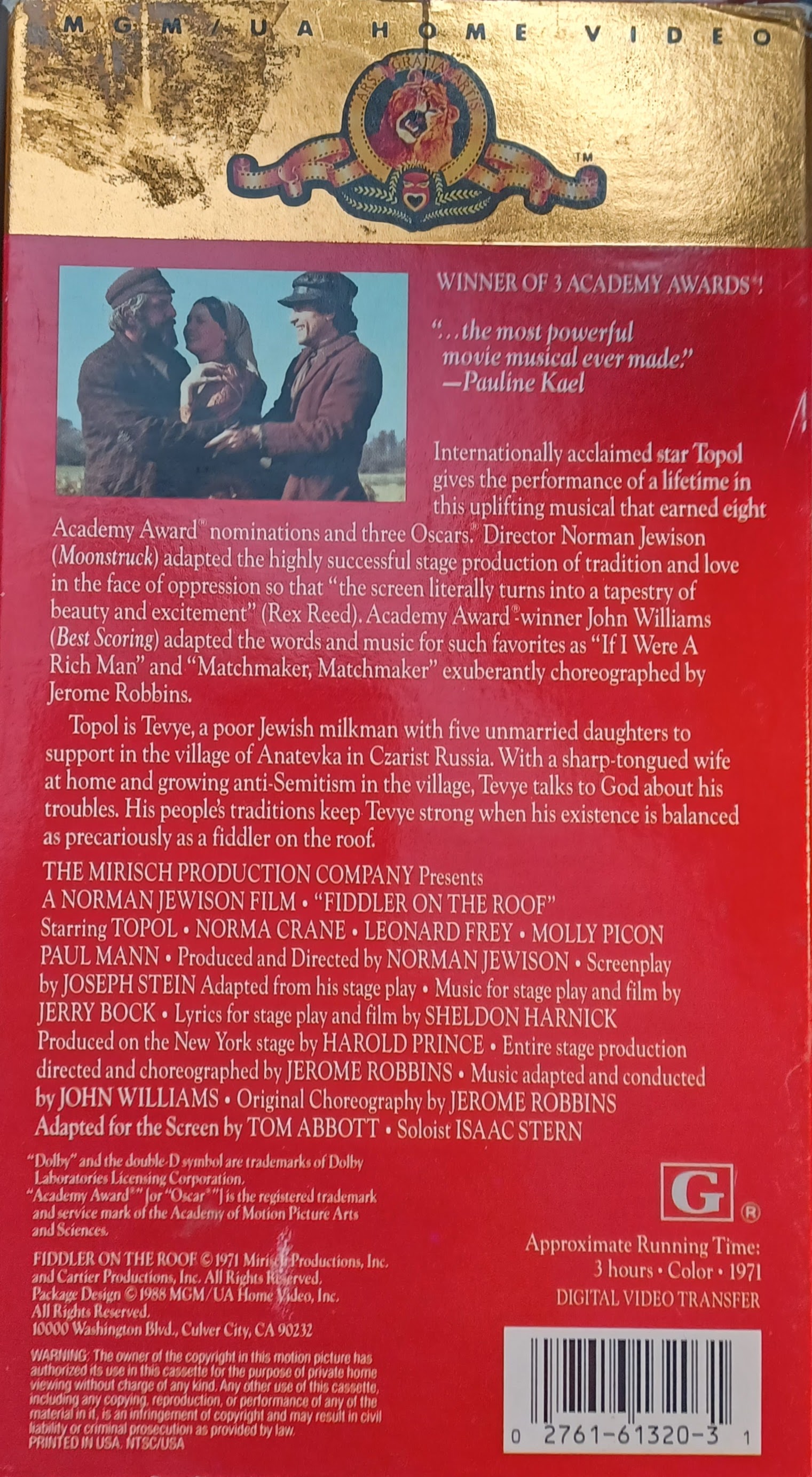 My copy of Fiddler on the Roof highlights John Williams’ role in orchestrating the film before he became a household name. It also praises actor Topol’s performance as Tevye and sums up the story.
Critical Reception
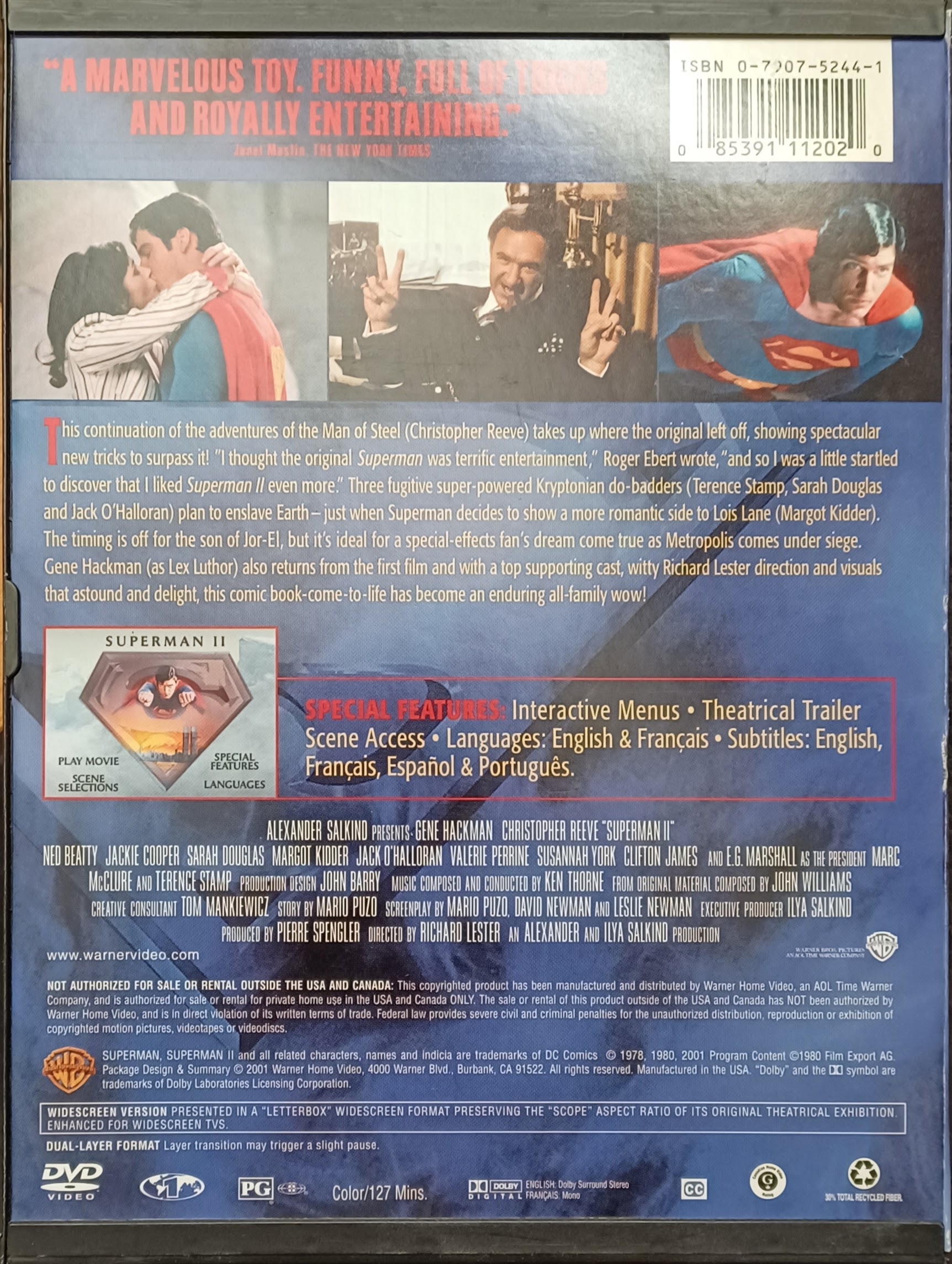 Many films include words of praise from famous critics. A DVD of Superman II begins with a glowing review from Roger Ebert, noting that it’s even better than the first film, which he gave a perfect four stars to! That’s in the opening paragraph of the film’s description, which is valuable real estate for selling the film.
Snippets from critics are often put on the side as pull quotes or included in the film description. These quotes are short and punchy. They get right to the point, promising something special about the film. Even bad movies can find some critic who’s willing to say good things about it.
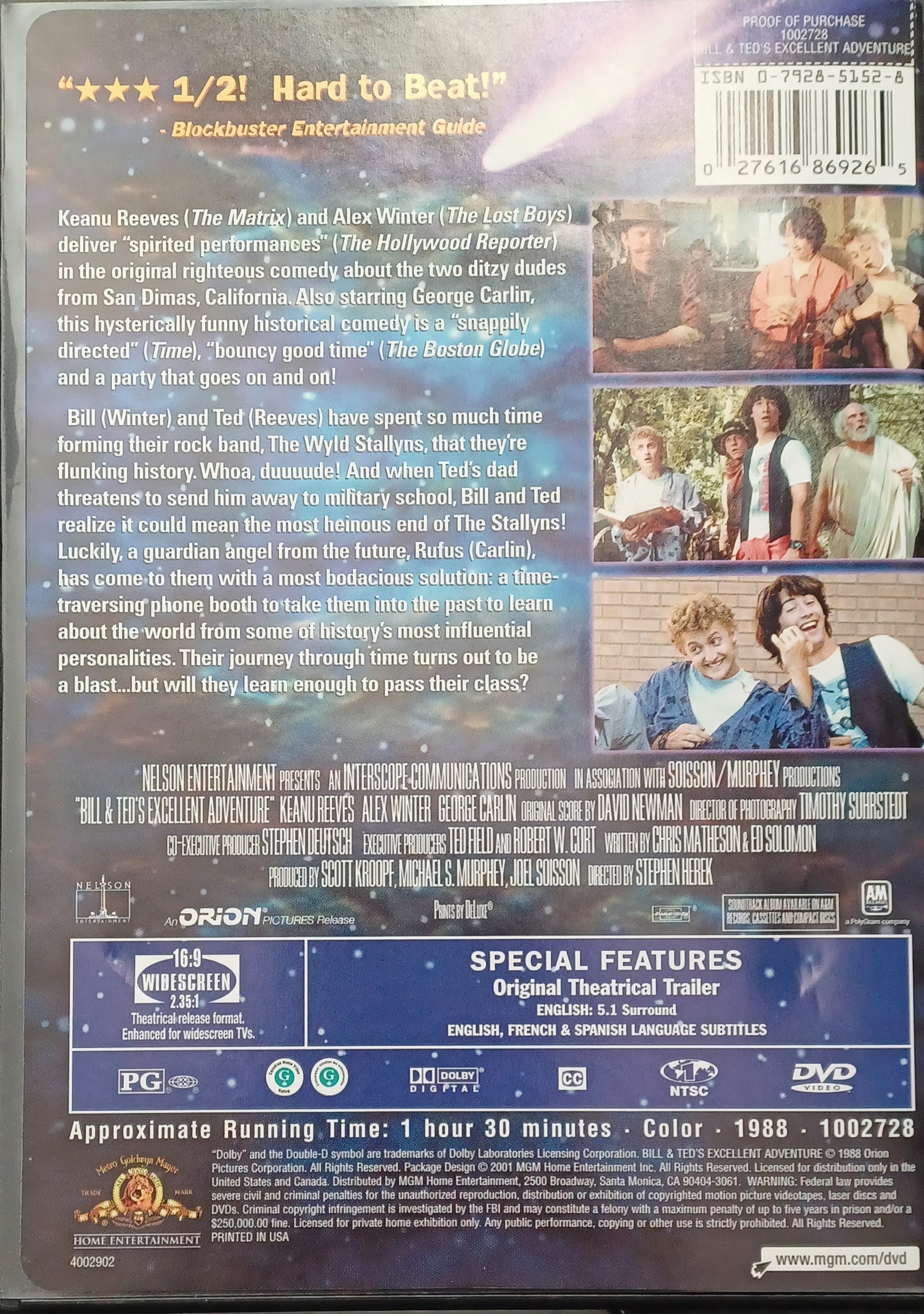 Bill and Ted’s Excellent Adventure is a very good film. I have a DVD of it with a quote from a critic saying, “3 ½ Stars! Hard to Beat!” That’s a nice shorthand, explaining that this film is more than it might appear to be at first.
Over the past few years, I’ve noticed that some films have started summing up a lot of these quotes by simply putting a Certified Fresh stamp from Rotten Tomatoes on their back covers. They might still include a few quotes from critics, too, but offering a positive critical consensus on the film’s merits is a good sign.
Collections or Standalone Films
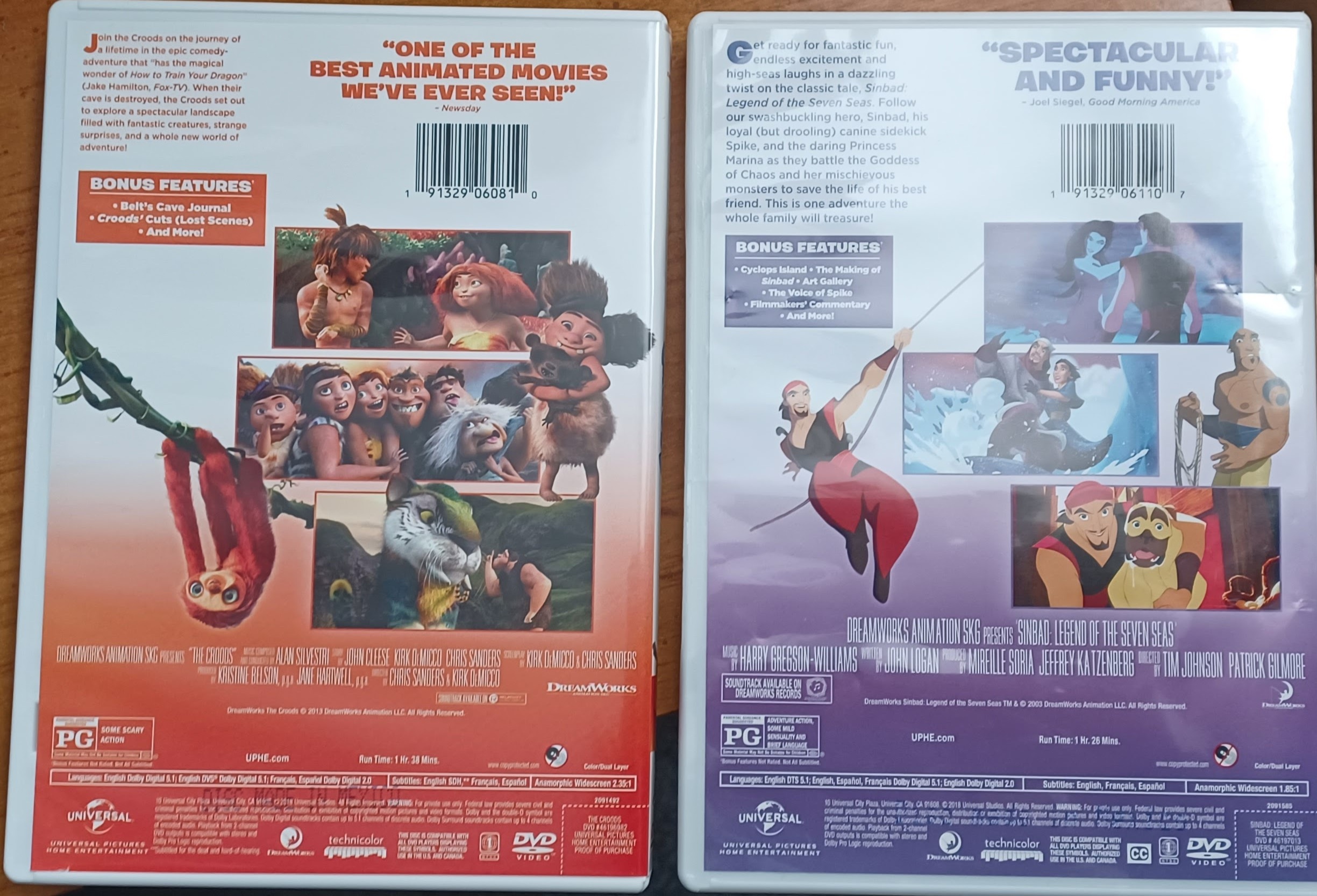 When a film is sold as part of a larger group of films, it doesn’t necessarily need long descriptions for each film. I noticed this being the case with some DreamWorks films I purchased: Sinbad and the Seven Seas and The Croods. This is especially true when they all share the same back of their case, like the Alien Quadrilogy or a combination of similar films from the same studio (WarGames and SpaceCamp, War of the Worlds and When Worlds Collide, Starman and Close Encounters of the Third Kind, etc.)
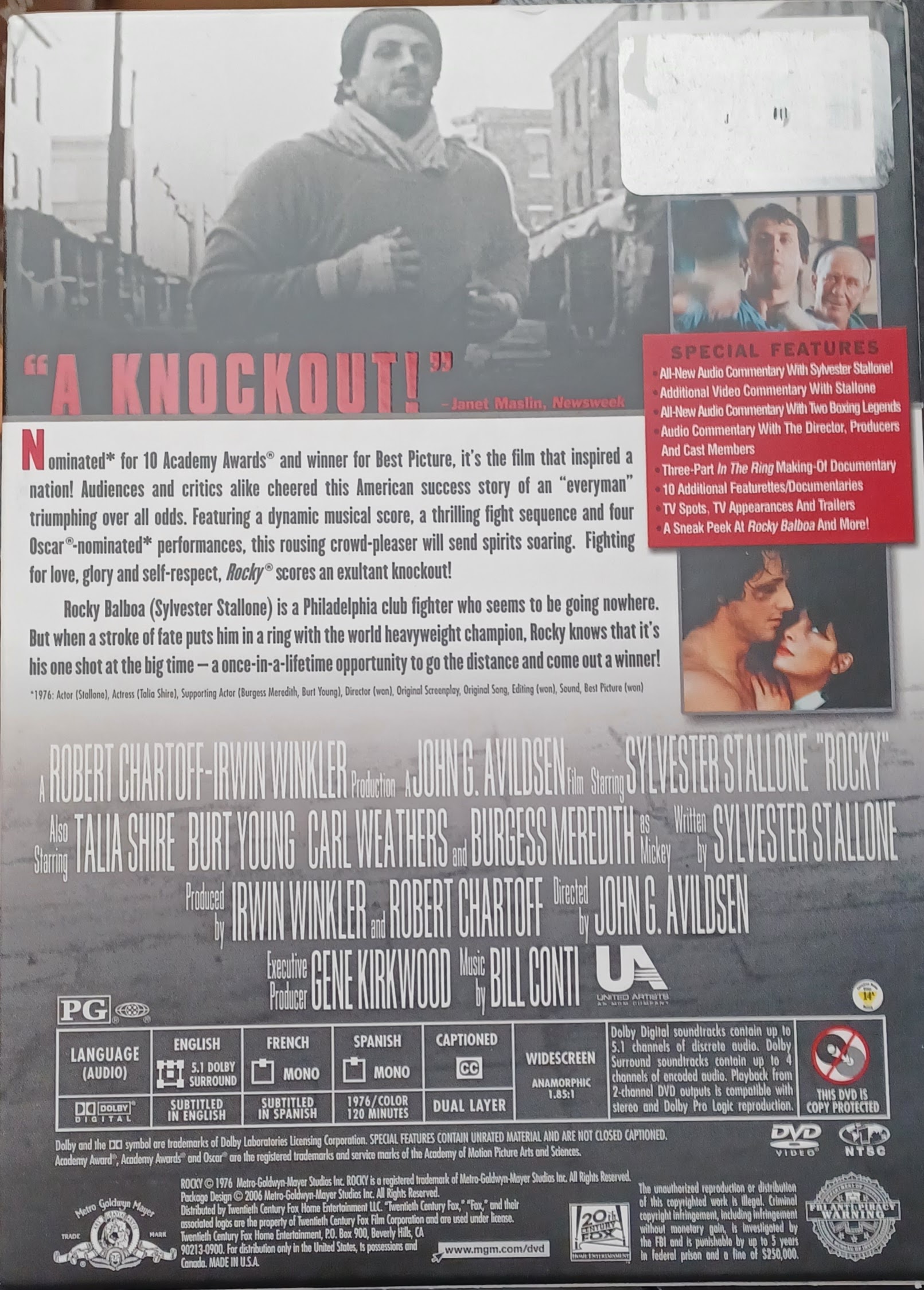 I have a 30th anniversary DVD of Rocky. It’s not connected to the other films in the series, so it’s free to emphasize the strengths of that first entry. The first paragraph on the back speaks to its legacy, musical score, and 10 Academy Award nominations and Best Picture win. The second paragraph briefly describes the plot. It takes it for granted that someone looking at this film is well acquainted with the story, so they don’t need to rehash those details. It also briefly mentions that there’s a sneak peek at a sequel called Rocky Balboa, which debuted in 2006. But that’s not the biggest selling point of this version.
Genre
A comedy, like Fletch, Hot Shots!, or The Naked Gun: From the Files of Police Squad, needs to set a very different tone than Rocky, The Dark Knight, or The Godfather. The backs of those movies have a playful tone, using puns and silly language to give readers a taste of the type of comedy in store for them.
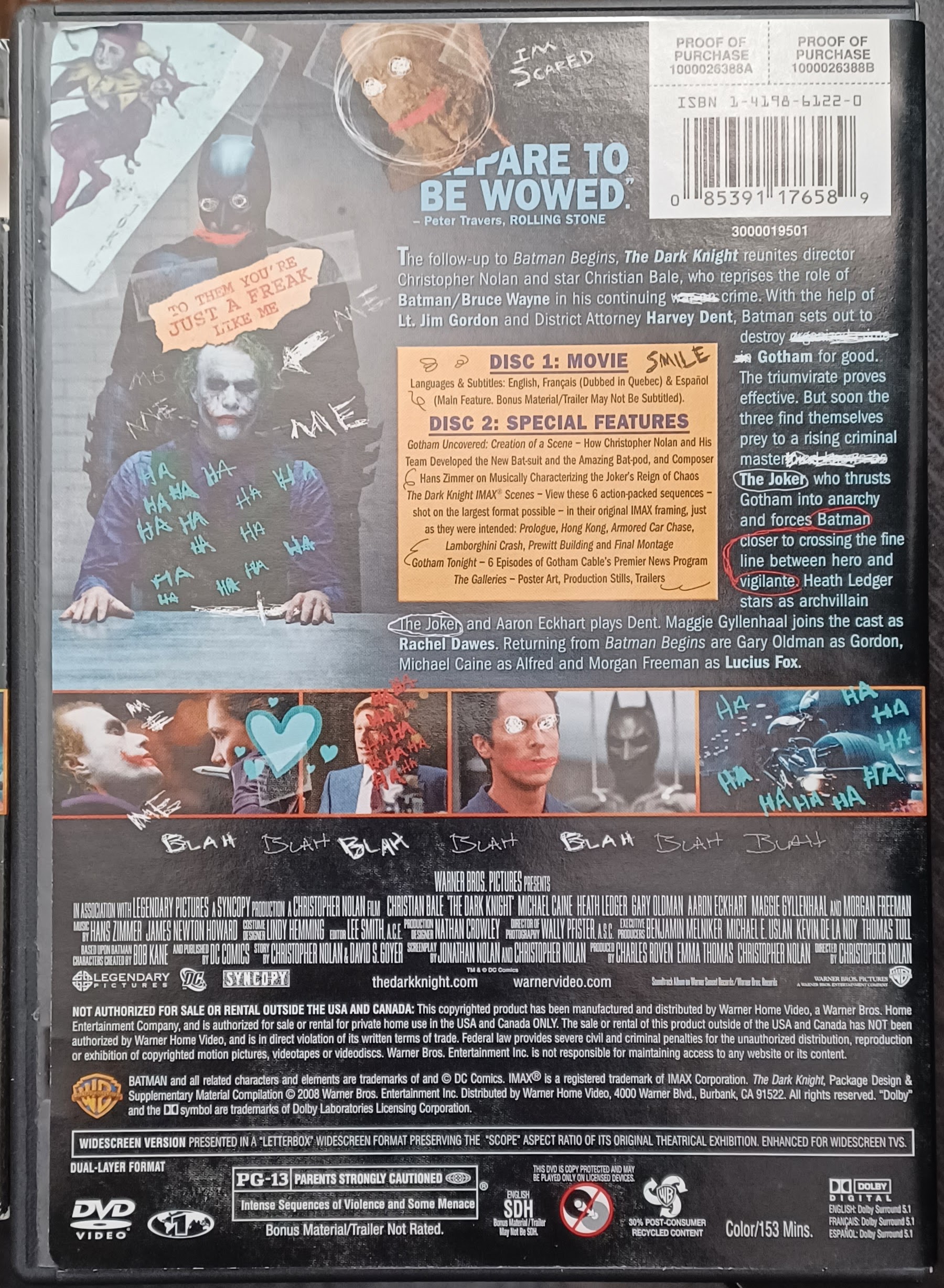
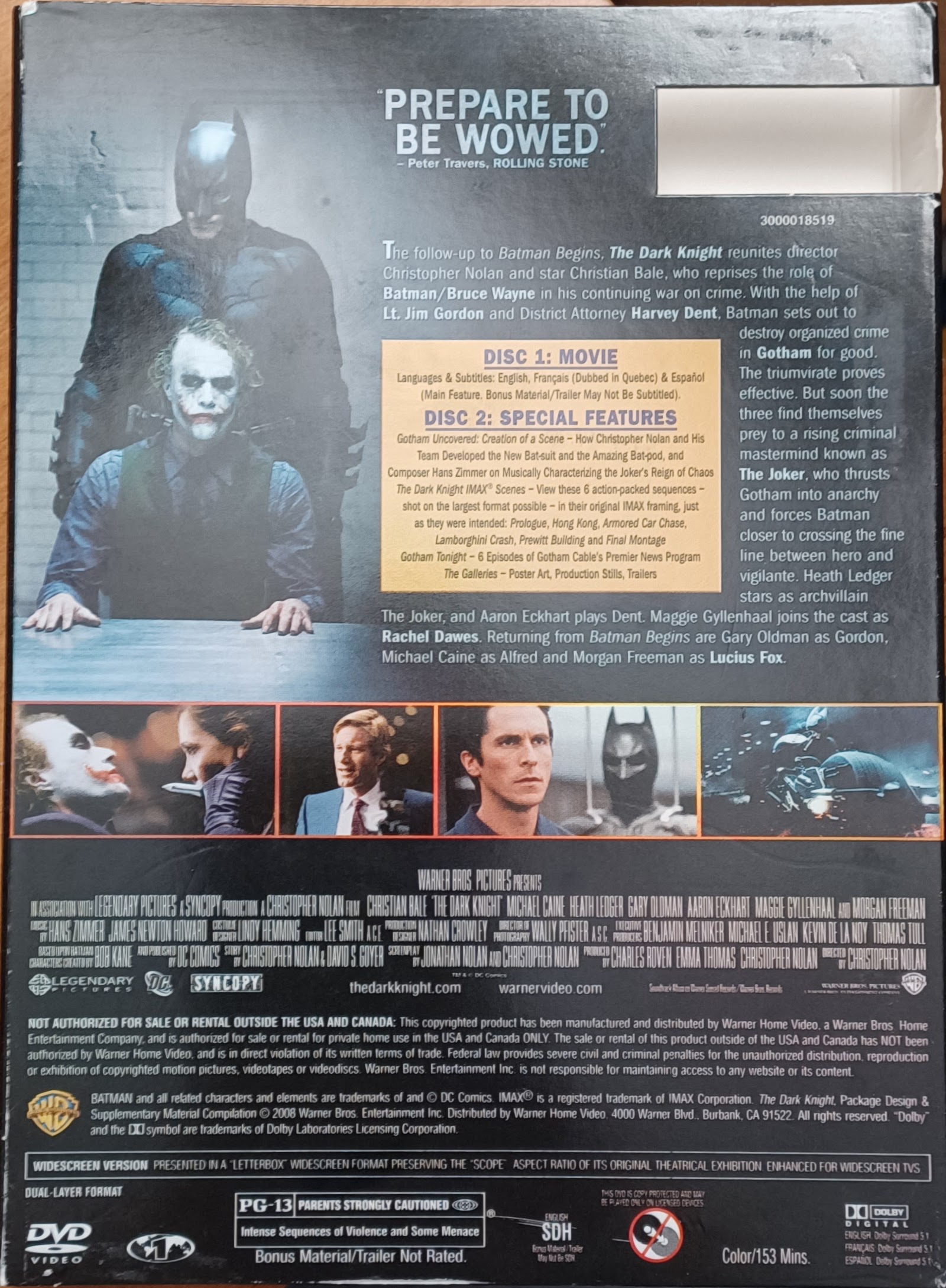 The Dark Knight is an exceptional example of doing something creative with its back cover. The one I own has a sleeve covering the actual disc cover. The sleeve is perfect and pristine, and its serious language sets a dark tone for the proceedings of the film. But in order to watch the movie, you have to remove the sleeve. Doing so reveals a nightmare underneath. The Joker has made his own modifications to the pictures and words on the actual back cover of the film. He laughs at Batman and Scarecrow, crosses out words to change the meaning of the description and frame Batman as the bad guy and the Joker as the hero of the story. He even paints “HA HA HA” over half of Harvey Dent’s face, foreshadowing what happens to him in the second half of the film.
Other Details
There are many other details that are usually on the back cover of a film, such as the actors, as well as the composers, editors, writers, producers, and directors who worked on it. I enjoy looking at the runtime, release year, and other tidbits about films, too. There’s a lot of interesting information we can glean from those sections.
The back cover of a film might be selling its mystery, hyping up a thrilling adventure, delivering laughs, or doing other things to cast a spell on audiences before they decide to watch it. I think it’s fun to go through and see what is considered the most important thing about each film. You may not be able to judge a book by its cover, but the back cover is begging to be judged as worthy of checking out what’s inside.
This is the Deja Reviewer bidding you farewell until we meet again.
All images are the copyright of their respective owners.
Want to Support the Deja Reviewer? If you’d like to support the Deja Reviewer, please consider donating a few dollars to keep this site going strong. I’ll even send you an original joke if you do! Try it, and prepare to enjoy a good chuckle. $5.00


 Deja Reviewer