My wife and I recently rewatched Ben-Hur (1959), that classic film that won 11 Academy Awards, including Best Picture, and I discovered something amazing about it. This may not come across as groundbreaking, but I realized that the film paints itself as a revenge story for most of its runtime, but it’s actually a story of how empty it is to spend one’s life chasing revenge on those who wrong us.
Messala’s Revenge on Ben-Hur
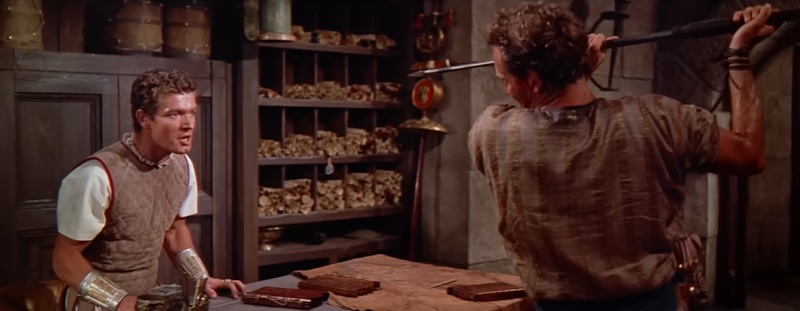 During the 1st century A.D. in the land of Judea, a Jew named Judah Ben-Hur is wrongfully convicted of a crime he did not commit. What hurts most is that his friend Messala is the one who sends him to prison knowing he’s innocent. Earlier, Ben-Hur refused to help his old friend, who is now a great Roman commander. So Messala takes revenge on Ben-Hur’s slight.
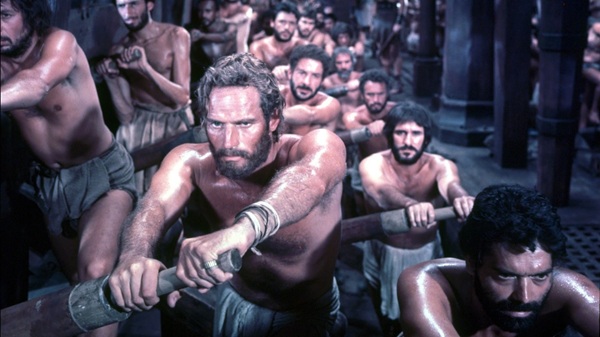 How can two people from opposing sides of a deep conflict ever be friends? It turns out that they can’t. Messala is too focused on the glory and power of Rome to allow his personal feelings for his childhood friend to get in the way. At the first opportunity, he throws Ben-Hur under the bus (or chariot, in this case) and sends him to die as a slave.
The wonderful thing about this story is that the fictional story of Judah Ben-Hur is framed by the mortal life of Jesus Christ. It begins with Christ’s birth in Bethlehem, and it ends with His death on Golgotha. And Jesus shows up at pivotal moments throughout the film to show Ben-Hur and those around him mercy.
Ben-Hur’s Revenge on Messala
The overall message of Ben-Hur is that God is at work in our lives. For most of the film, Ben-Hur thinks that he’s forsaken, and the only thing he can think about is taking revenge on Messala. But when he defeats Messala and gets the opportunity to gloat over him as he dies a pathetic death, Ben-Hur feels no elation or satisfaction.
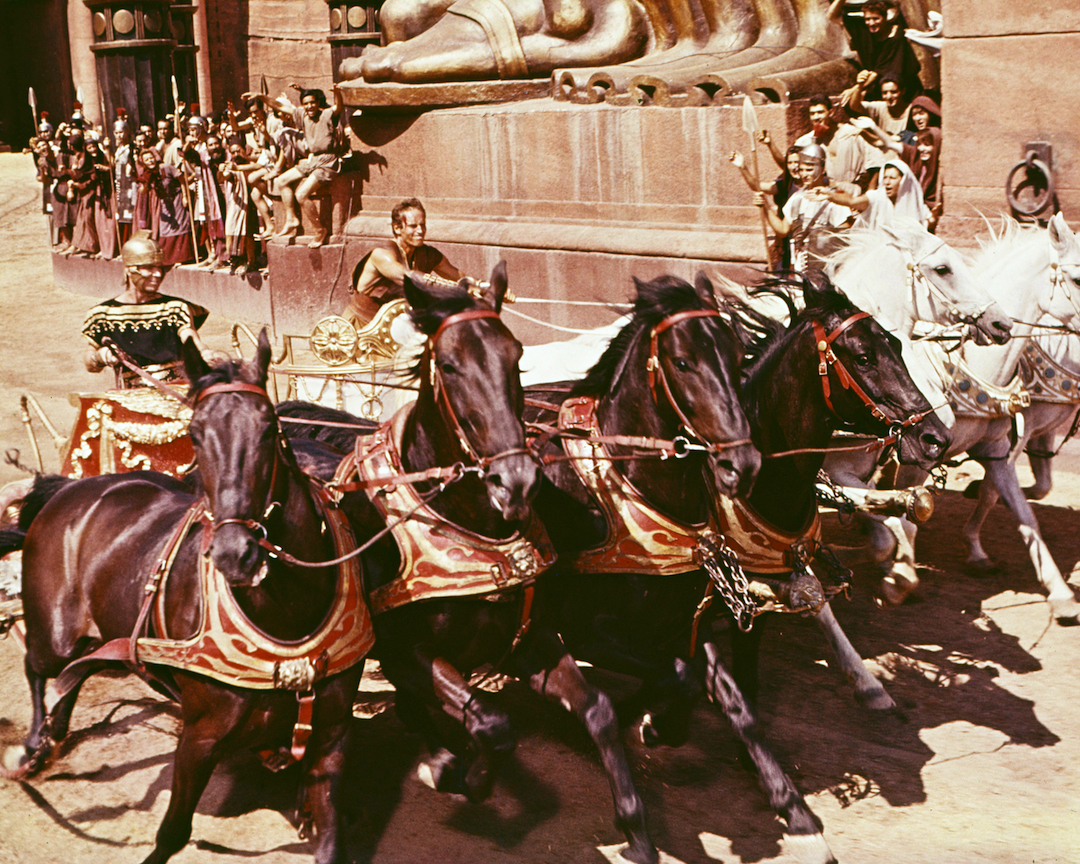
The epic chariot race is one of the highlights of the film. It might even be the film’s signature moment. It’s certainly the most exciting and suspenseful sequence. However, it doesn’t come at the film’s climax. In fact, this scene shows how wrong Ben-Hur has been to seek revenge on his enemy.
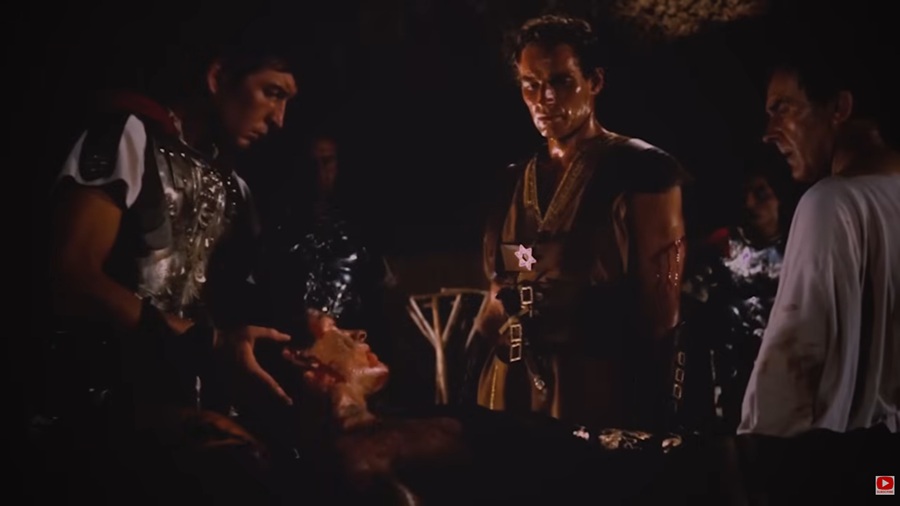 As Messala lies dying, a physically broken man, he reveals himself to be just as shattered in his ideology. If their positions were reversed, he would have gloated over Ben-Hur’s misery, but Ben-Hur can’t help but pity his adversary. Taking revenge on Messala didn’t satiate Ben-Hur’s yearning for justice. He thinks that the answer is to go after those who destroyed his friend: Rome and its might.
Forgiveness vs. Revenge
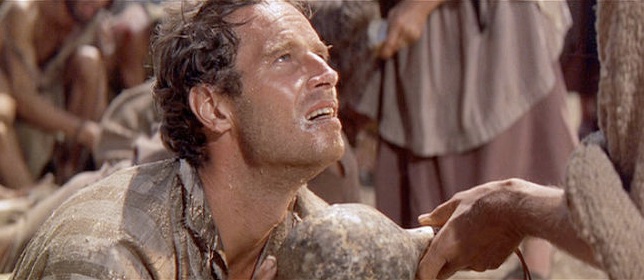 Then Ben-Hur hears about Jesus Christ teaching about loving his enemies, blessing them that curse him, and doing good to them that despitefully use him and persecute him. At first, those words sound hollow. As he ponders on them, though, he realizes their wisdom. If Ben-Hur holds onto his hatred, he will become just like Messala. And he’ll likely suffer a similar fate.
Instead of fighting Rome, he needs to forgive them. The Roman Empire reached incredible heights and eventually fell, as every tyrannical form of government does. Messala gained everything the world had to offer and lost it all because of his pride and arrogance. Jesus Christ seemed to lose everything when he suffered and died, yet he rose triumphant the third day and gained all that His Father hath as a result of His obedience.
Ben-Hur’s Redemption
The story of Ben-Hur is one of forgiveness. If we spend our lives being angry at people for disagreeing with us or for wronging us, even though we have legitimate grievances, we will be miserable. On the other hand, if we humble ourselves and forgive as we would wish to be forgiven, we will be much happier. Those who are guilty of injustice will be punished, and we must trust that if justice is not served in this life, it is in God’s hands and He will do as He sees fit. After all, He is the perfect Judge who earthly judges try to emulate.
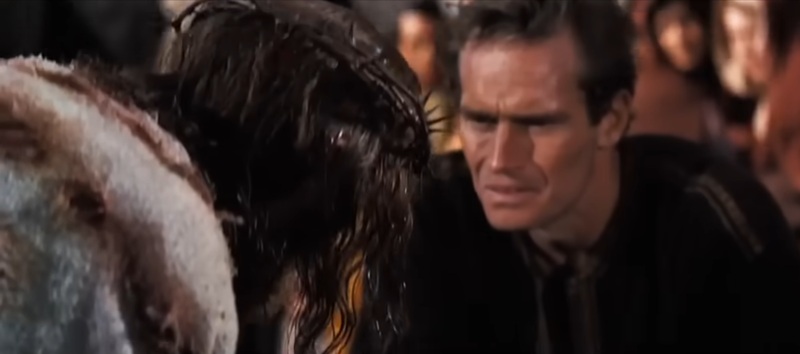 The actual climax of the film comes when Christ dies and performs one more miracle for Ben-Hur. Before Ben-Hur realizes the miracle he has received, he recalls that some of Christ’s last words were, “Father, forgive them for they know not what they do.” He, too, is willing to forgive his enemies now. And his change of heart is made all the sweeter when he realizes that the source of his bitterness is no longer an issue.
I’m amazed that a film like Ben-Hur, with its focus on Jesus Christ, forgiveness, and Christlike love, could be lauded with universal critical praise. That probably couldn’t happen today. I recommend giving it a watch, especially if you’re feeling angry about something or you’re withholding forgiveness from someone. You might just find a helpful answer in this film like I did.
This is the Deja Reviewer bidding you farewell until we meet again.
All images are the copyright of their owner.
Want to Support the Deja Reviewer? If you’d like to support the Deja Reviewer, please consider donating a few dollars to keep this site going strong. I’ll even send you an original joke if you do! Try it, and prepare to enjoy a good chuckle. $5.00


Pingback: I Love the Relationship Between Judah Ben-Hur and His Adoptive Father | Deja Reviewer