This summer’s movies have had plenty of action and spectacle, but can you name one character from those films that made an indelible impression on your mind? One who joins the ranks of Indiana Jones, Luke Skywalker, and Michael Corleone as someone you know by name and by their characteristics?
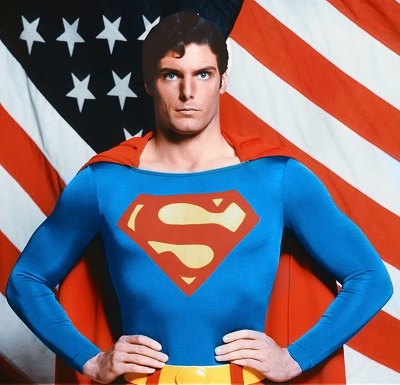 I can’t think of one. The new Superman isn’t as memorable as Christopher Reeve’s iconic portrayal. The main villain in Star Trek Into Darkness is too bland to join the ranks of other great baddies from the Star Trek pantheon. Making a memorable character is really hard to do because a movie has to make us care about them in more than just a superficial way that services the plot.
So today I’m going to list 10 ways to make a memorable character and give 10 examples of characters who exude these qualities. Let’s start leaving an impression. Continue reading


